Trailer Maintenance: How Do I Keep My Trailer in Good Shape?
Discover essential trailer maintenance tips to keep your equipment in top shape. From regular inspections to tire care, ensure your trailer is ready for any job.
February 11, 2026
When it comes to hauling heavy loads, the condition of your trailer is crucial. Whether you’re transporting construction equipment, vehicles, or materials, regular trailer maintenance ensures your trailer is in top shape, which is key to safety, efficiency, and longevity. Keeping up with trailer maintenance not only helps keep your equipment operating smoothly but also avoids costly repairs and downtime.
In this post, we’ll cover the essential maintenance tips to keep your trailer working effectively and extend its lifespan. From simple inspections to specific care tasks, these maintenance steps are a must for any trailer owner.
1. Regular Inspections
Before every use, perform a quick visual inspection of your trailer to check for any obvious signs of wear or damage. This could include looking for cracks, rust spots, or worn-out tires. Inspect these critical areas:
- Frame and structure: Look for any cracks, bends, or loose bolts that could compromise the trailer’s safety.
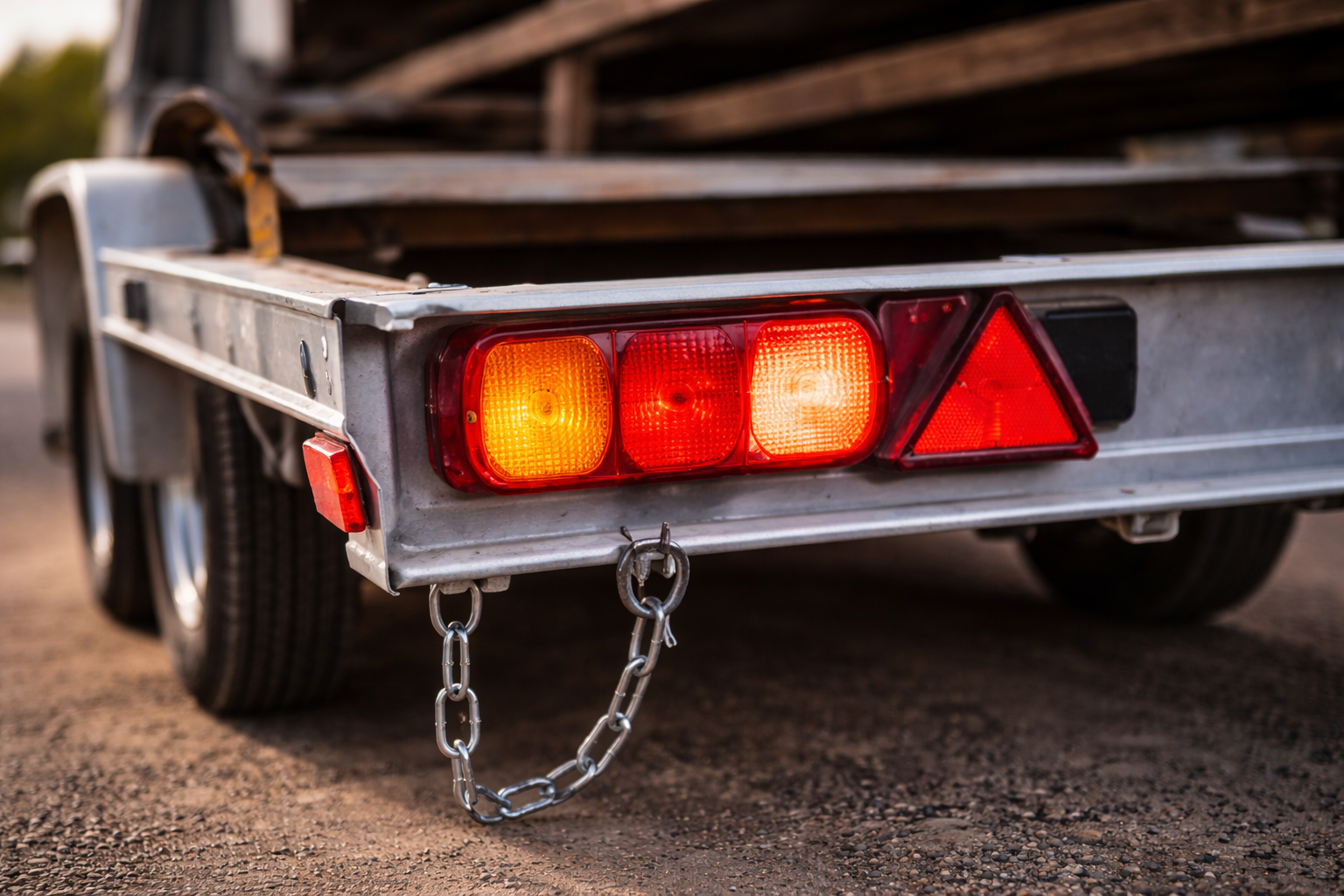
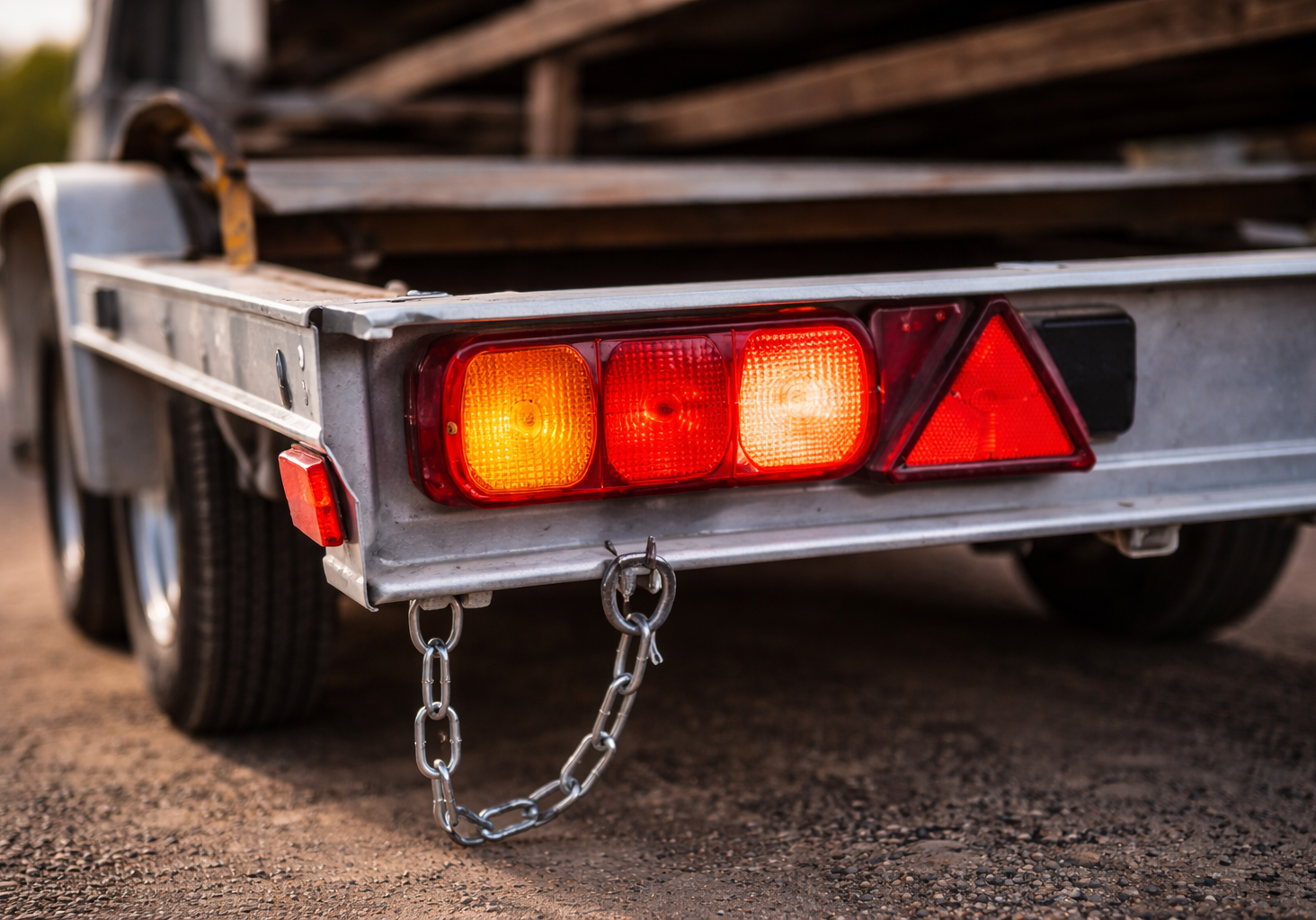
- Lights and reflectors: Check that all brake lights, turn signals, and reflectors are working, especially if you'll be driving at night or in low visibility.
- Brakes: Ensure your brakes are responsive and there’s no excessive wear on brake pads.
Performing a regular inspection doesn’t take much time, but it could prevent serious issues from arising while you're on the road.
2. Tire Maintenance
Tires are among the most critical components of your trailer, and they require regular attention to avoid blowouts or uneven wear.
- Tire Pressure: Check tire pressure before every trip. Underinflated tires are more likely to wear unevenly and increase fuel consumption.
- Tire Tread: Ensure the tread is deep enough for safe traction, especially when hauling heavy loads or driving in wet conditions.
- Rotation: Just like with vehicles, tire rotation is important for even wear. If you don’t rotate them, some tires might wear down faster than others, which could lead to uneven wear or premature failure.
3. Lubrication
A well-lubricated trailer is key to ensuring all moving parts function correctly and avoid friction damage.
- Hitch: Apply grease to the hitch and any moving parts to ensure smooth connection and disconnection, as well as to prevent rust and corrosion.
- Axles and Bearings: Check the axles and bearings for lubrication. Proper lubrication helps in reducing wear and preventing overheating.
- Suspension System: The suspension system should be regularly checked for grease and wear to keep the trailer level and reduce stress on the tires.
4. Brake Maintenance
The brakes are one of the most important safety features of your trailer. Over time, brake pads and rotors can wear out, reducing their effectiveness.
- Brake Pads: Regularly check the thickness of the brake pads. If the pads are thin, it’s time to replace them before they wear down completely.
- Brake Fluid: Ensure the brake fluid is at the correct level. Low brake fluid can cause your trailer’s braking system to malfunction, putting your safety at risk.
- Electric Brakes: If your trailer is equipped with electric brakes, ensure they’re properly calibrated to provide efficient stopping power.
5. Cleaning and Rust Prevention
Regular cleaning of your trailer is essential for preventing rust and corrosion caused by dirt, salt, and moisture.
- Wash the Trailer: Clean your trailer regularly to remove dirt, salt, and debris that can cause wear over time. This is especially important during winter months when road salt can be damaging.
- Inspect for Rust: After washing, check for any rust spots on the frame and wheels. If you find any, treat them immediately with rust-resistant spray or coatings.
6. Replacing Worn Parts
Like any vehicle, a trailer will experience wear and tear over time. Identifying and replacing worn-out parts early on can save you from costly repairs.
- Worn Tires: Replace tires that have significant tread wear, cracks, or bulges.
- Damaged Brakes: Replace brake pads, shoes, or drums that are worn down or damaged.
- Broken Lights: Always replace broken lights or reflectors as soon as you notice them to maintain proper visibility.
7. Seasonal Maintenance
Each season brings different challenges for your trailer, so it’s important to adjust your maintenance routine accordingly.
- Winter: During the cold months, check for frozen brakes, inspect tire pressure, and clear out any debris that could obstruct moving parts.
- Summer: In hotter months, tires may wear faster due to increased road heat, and brake fluid may evaporate quicker. Keep the trailer in a cool, shaded area when not in use.
8. Keep Records
It’s also a good idea to maintain a maintenance log for your trailer. Keep track of when each maintenance task was done, what parts were replaced, and any issues you’ve encountered. This helps you stay on top of the trailer’s health and allows you to identify recurring problems.
Conclusion
Proper trailer maintenance is essential to keep your equipment in top shape and ensure safe operation on the road. From regular inspections to tire care and brake maintenance, following these essential maintenance tips will extend the lifespan of your trailer and reduce the risk of unexpected breakdowns. By staying proactive with maintenance, you’ll save time, money, and effort in the long run, keeping your business running smoothly.
For Salty Dog Transport, regular maintenance checks ensure that every load is hauled safely and efficiently, whether you're hauling construction equipment, vehicles, or providing trailer rentals.
Haul on over to these posts
Trailer Maintenance: How Do I Keep My Trailer in Good Shape?
Discover essential trailer maintenance tips to keep your equipment in top shape. From regular inspections to tire care, ensure your trailer is ready for any job.